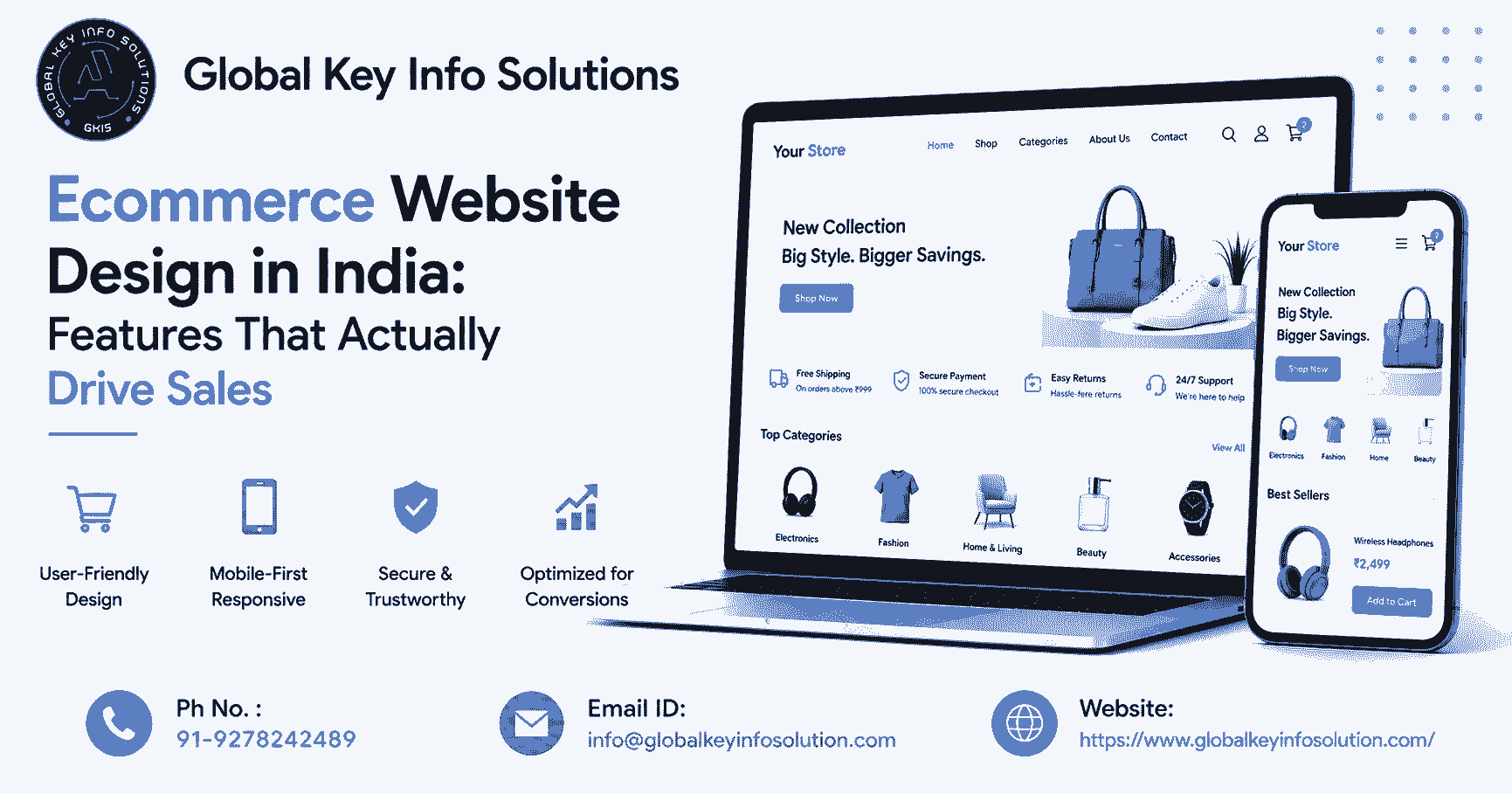
Search for ecommerce features, and you will drown in trend lists. Augmented reality try-ons. Voice shopping. Live video selling. They sound exciting. For most Indian online stores, they are a distraction. The features that fill your order dashboard are far less glamorous and far more reliable. This guide is a clear cut and examines the e-commerce website design in India using a single lens. Does this feature result in an increase in sales or simply appear modern in an advertisement? If you own an online store, or are planning to start one, then this list is the one which is important, as well as the cost and which platform is best suited to.
Start With the Only Metric That Matters: Orders
Before we talk features, fix your thinking. A beautiful store that nobody buys from is a failure. A plain store that converts is a success. Every design decision must be evaluated by one factor: can it help someone in completing the purchase? In India, this means speedy pages on phones that aren't expensive, payment methods that customers already trust, and a checkout system that is out of the way. Make sure that every feature is put to the test, and most of the trend-chasing is a thing of the past. The goal of online store design is not applause. It is orders.
The Features That Actually Drive Sales
A Fast, Mobile-First Store
Over 75% of ecommerce traffic in India comes from mobile, much of it on mid-range phones over 4G. Speed is not a technical nicety here. It is money. Research shows every extra second of load time can cut conversions by around 7% or more. A website that loads immediately on your laptop, but is unable to load on a customer's phone, is losing customers it never even gets. Create mobile-first, make sure your images are compressed, and test it on an affordable phone, not just your phone. A simple, easy-to-use store beats a slow and beautiful one every single day.
A Checkout Built Around UPI and Cash on Delivery
This is the single biggest conversion lever in Indian ecommerce, and most stores get it half right. UPI is how India pays. It carries zero MDR under RBI rules, so it costs you almost nothing, and shoppers trust it instantly. Put UPI first in your payment list, not buried under card fields. The placement of UPI at the top of the list could boost its use by up to 15-25%, which translates into lower failure rates for card transactions and more complete orders.
Add cash on delivery; it is important for a large portion of Indian customers, especially in cities that are tier-2 or tier-3. Complete the process with online banking and wallets for backups. Every payment method you are missing is an order that someone quietly abandons at the last step. Keep the checkout short, too. Every extra form field is another reason to leave.
Product Pages That Sell
Your product page is where the buying decision happens, so it has to earn the sale. It requires crisp, high-quality pictures from different angles, a clear description written in easy language, along with the price and delivery estimation upfront, as well as genuine reviews from customers. Reviews do the heavy lifting in India, where trust can be earned more than merely assumed. A website with authentic photos and honest reviews is more valuable than an appealing page using pictures that are stock every time. You should invest in good images of your product before spending one cent on animation.
Trust Signals That Remove Hesitation
Indian consumers are cautious about stores they don't yet know about. Small signs can close the gap quickly. A clearly visible refund and return policy, a genuine address and contact number Secure-payment badges, and transparent delivery dates all decrease the anxiety that prevents buying. A clearly defined return policy alone boosts sales since it reduces the amount of risk a buyer feels before making a purchase. It is not a fancy factor. It's a direct converter, and it is almost free to add.
Cart Abandonment Recovery
Here is a number that should sting. The rate of abandoning carts in India is between 65 and 75%. This means that most shoppers who add items to their cart go on without purchasing. It's impossible to stop it all, but you can get some of it back. Automated WhatsApp and email-based reminders sent to customers who have left an empty cart could bring back between 5 and 10% of those sales. On a store doing steady volume, that is real revenue recovered for almost no ongoing cost. Set it up on launch day, not next year.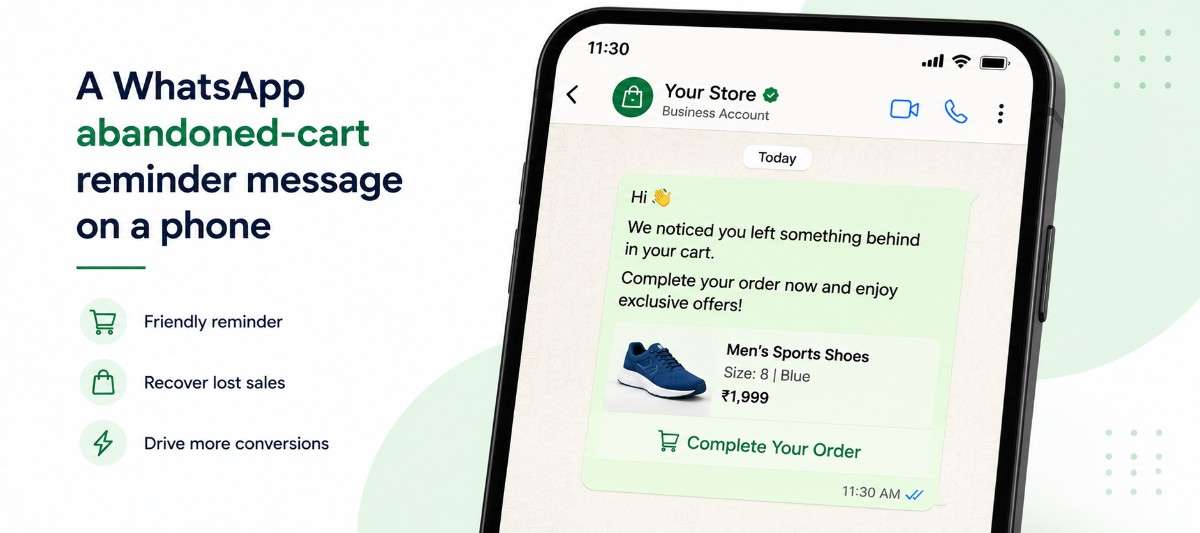
GST Invoicing, COD, and Local Logistics
These are the unglamorous features that keep an Indian store running and buyers happy. GST compliant is mandatory for businesses selling tax-deductible products. Cash on delivery must be handled correctly, including the risk of return-to-origin that it carries. In addition, partnering with local logistics providers such as Shiprocket or Delhivery ensures dependable delivery and live tracking, which reduces the frantic support calls that consume your time. None of this shows up in a trend listicle, but all of it decides whether your operations hold together as orders grow.
Search and Filters That Help People Buy
If the customer is unable to locate the item they're looking for within a matter of seconds, they will leave. A search bar and useful filters for size, price, category, and colour aren't necessary once you have more than a few items. They shorten the path from landing on your store to reaching checkout, which is the entire game. Make finding a product effortless, so more people reach the payment screen.
The Features That Are Usually Just Vanity
Now the honest part, because conversion-focused design means saying no as often as yes. Some of the most hyped ecommerce features add very little for a typical Indian SMB store. Augmented reality-based try-ons are impressive; however, they rarely cover their price on a modest catalog. Voice shopping remains an undiscovered option for the majority of customers. The use of large animations and micro-interactions could slow down your website, which can cost you orders. Live video selling can work well, but only once you have an audience ready to buy from you.
None of these is wrong forever. They are just wrong first. Make sure you nail the fundamentals that work, and then play with more flashy features once you've got the customers and margins to justify them. Spending on gimmicks before your checkout works is like buying a neon sign for a shop with a broken front door.
What an Ecommerce Website Costs in India in 2026
Cost drives most decisions, so here are realistic 2026 figures for the Indian market.
| Store type | Typical cost (2026) | What you get |
| Basic starter store | ₹40,000 – ₹1,20,000 | Template design, up to 100 products, payment gateway, basic SEO |
| Mid-range custom store | ₹1,00,000 – ₹3,00,000 | Custom design, 100 to 1,000 products, shipping and GST, automation |
| Advanced custom build | ₹4,00,000 and above | Headless, ERP and inventory, B2B, multi-warehouse logic |
| Mobile app (optional) | ₹3,00,000 – ₹10,00,000 | A separate iOS and Android build |
A word on the costs nobody quotes upfront. On top of the build, budget for hosting and maintenance of roughly ₹10,000 to ₹40,000 a year, plus payment gateway fees of around 2% per transaction with a provider like Razorpay. If you're using Shopify in India, then add an additional 2.2% to your budget since Shopify Payments is not offered in India. If you're looking for an extremely competitive, SEO-ready store, rather than using a template that is generic, the real base is around Rs80,000 to around Rs1,20,000. Below that, you typically have a site that loads slowly and is struggling to get ranked.
Turn Your Store Into an Order Machine
Get an ecommerce website built around conversions, with UPI checkout, fast mobile pages, and SEO from day one.
Get Your Store Built →Which Platform Fits a Small Online Store?
The platform you select determines your costs, your control, and the speed at which you can expand. Here's how the top choices compare for a small Indian store.
| Platform | Best for | Watch out for |
| WooCommerce | Flexibility, SEO control, and low start cost | You manage hosting and updates |
| Shopify | Fast launch, easy to run | Monthly fee plus an extra 2% transaction fee in India |
| Made-for-India SaaS | Quick, cheap launch with UPI, COD, GST built in | Less deep customisation |
| Magento/Adobe Commerce | Large, complex stores | High cost and heavy maintenance |
For most small Indian businesses, WooCommerce or a made-for-India builder is the best choice. WooCommerce offers flexibility and powerful SEO control at an affordable cost for starting even though you control your hosting on your own. Shopify is quicker to go live and is easier to manage; however, it charges a monthly fee and a further 2% transaction fee. The platform should be matched to your needs and not the hype surrounding any single brand.
Do You Need an App, or Is a Website Enough?
For the majority of new stores, the website will suffice. A mobile-responsive, speedy website can provide around 90% of the functionality an app provides be able to do, without the additional build cost, app store authorizations, and the tough task of convincing people to download it. Every installation is a hurdle, and most new buyers won't go through it for the store they have only recently discovered.
The app will begin to become more logical once you've got a steady flow of customers who are buying regularly enough to have it on their phones. Food, fashion, and subscription companies get there earlier than many. The smart order is simple. Create the website first and prove the need by generating sales. Then think about an app after the numbers back the investment.
How to Make Your Product Pages Rank on Google
Traffic you do not pay for is the cheapest source of orders, so product page SEO is worth getting right. Begin by writing a personal product description for your products rather than copying from the manufacturer's description. Make sure to add schema markup to your product so your price, ratings, and stock status are displayed directly in results. This boosts your click-through rate.
Make sure you use descriptive, keyword-aware titles and the correct alt text on each image. Keep the pages loading quickly, as speed is a factor in ranking for mobile. Also, create several internal links from your blog posts or category pages to your most valuable products, helping Google recognize how to rank these products. If you do it consistently, your top products will begin to attract buyers in their own way every month, without ad cost attached.
Conclusion
Ecommerce website design in India is not about chasing the newest trend. It is about removing every reason a customer has to leave before they buy. Fast mobile pages, a checkout built around UPI and cash on delivery, honest product pages, visible trust signals, and cart recovery will do more for your orders than any AR gimmick. Get the basics right first, measure everything against actual sales, and add the fancy features only when the numbers justify them.
If you're looking for an online store that's built on conversions and not just the appearance, Global Key Info Solutions creates fast, SEO-friendly eCommerce websites for Indian businesses. They offer UPI check-out, mobile-first performance, and clear pricing right at the outset.
6abc94e89e42f.png)



0 Comments
Leave a comment